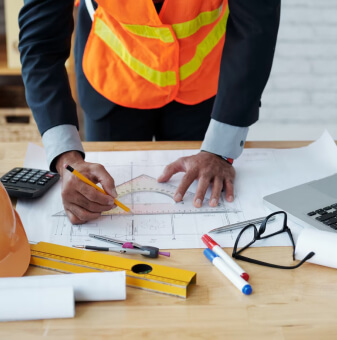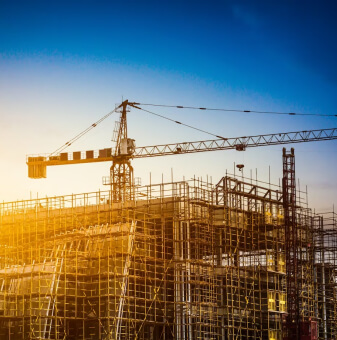
We successfully cope with tasks of varying complexity, provide long-term guarantees and regularly master new technologies.
Safety in the Spark: Precision Inspections for Hazardous Areas
Ensuring Safety and Compliance in High-Risk Environments
Hazardous area inspections are a critical component of safety management in industries where flammable gases, vapours, dust, or combustible materials pose a risk of fire or explosion.
Stampmill Engineering performs hazardous area inspections to identify, evaluate, and mitigate risks in environments designated as hazardous due to the potential presence of explosive atmospheres. By ensuring adherence to safety standards and regulatory requirements, these inspections safeguard personnel, equipment, and facilities, significantly reducing the risk of catastrophic incidents.
Hazardous areas are defined as locations where the presence of flammable substances—such as gases, vapours, mists, or dust—creates a risk of explosion or fire. These areas are commonly found in industries such as oil and gas, chemical processing, mining, pharmaceuticals, and manufacturing. Hazardous areas are classified based on the type, frequency, and duration of the hazardous substances present, as outlined in international standards like IEC (International Electrotechnical Commission) and NEC (National Electrical Code).
Key objectives of Our Hazardous Area Inspections include :
Key Components of Our Hazardous Area Inspections
1. Area Classification Assessment:
2. Equipment Inspection:
3. Documentation Review:
4. Environmental Monitoring:
5. Safety Systems Evaluation:
Hazardous area inspections are governed by a range of international and regional standards, including:
 1
2
3
4
1
2
3
4
Stampmill Engineering’s Hazardous Area Inspections serve as a critical safeguard for clients operating in high-risk environments. By identifying and mitigating risks, ensuring compliance with safety standards, and maintaining equipment integrity, these inspections play an essential role in protecting lives, assets, and the environment. In today’s landscape of heightened regulatory scrutiny and operational complexity, Hazardous Area Inspections are not only a legal obligation but also a fundamental pillar of responsible and sustainable business practices.
Let us help you achieve excellence—contact us today to learn more.
Stampmill Engineering is a proudly Australian-owned company with a global footprint, delivering world-class technical services that prioritize quality, safety, and sustainability. By blending local integrity with international expertise, we empower your success.
Our commitment to precision, innovation, and reliability ensures that we help clients achieve their goals with confidence and excellence.
Copyright © Stampmill Engineering. All Rights Reserved